Age-related sleep changes are the gradual shifts in how we sleep as we get older — lighter sleep, more waking through the night, and a tendency to feel sleepy and wake earlier. They are a normal part of aging, though a doctor can help when poor sleep starts affecting daily life.
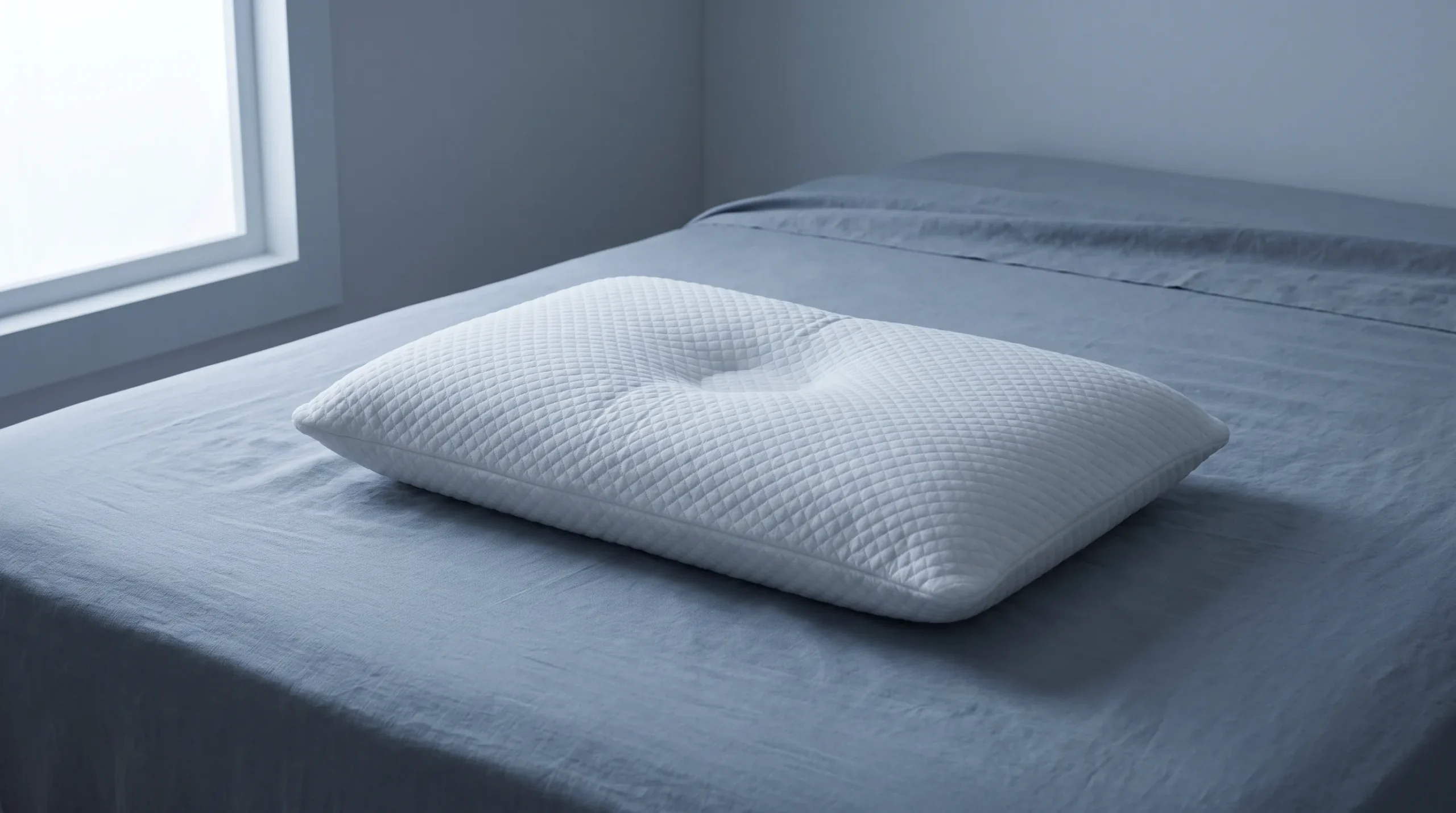
Support needs change with age. If a once-comfortable pillow now lets your head sink too far, a firmer one holds its loft all night — see our best firm pillow guide.
The right pillow is an underrated fix. If your neck support might be part of the problem, see our adjustable contour pillow review — it lets you tune the loft to your sleep position.
New here? Start with our complete guide to better sleep.

5 Ways Sleep Changes With Age
- Lighter sleep — less deep sleep, so you wake more easily.
- More night waking — brief awakenings through the night become more common.
- An earlier clock — feeling sleepy earlier and waking earlier than before.
- Longer to drift off — it can take a little more time to fall asleep.
- More daytime naps — to make up for lighter night-time sleep.
Why sleep changes as we get older
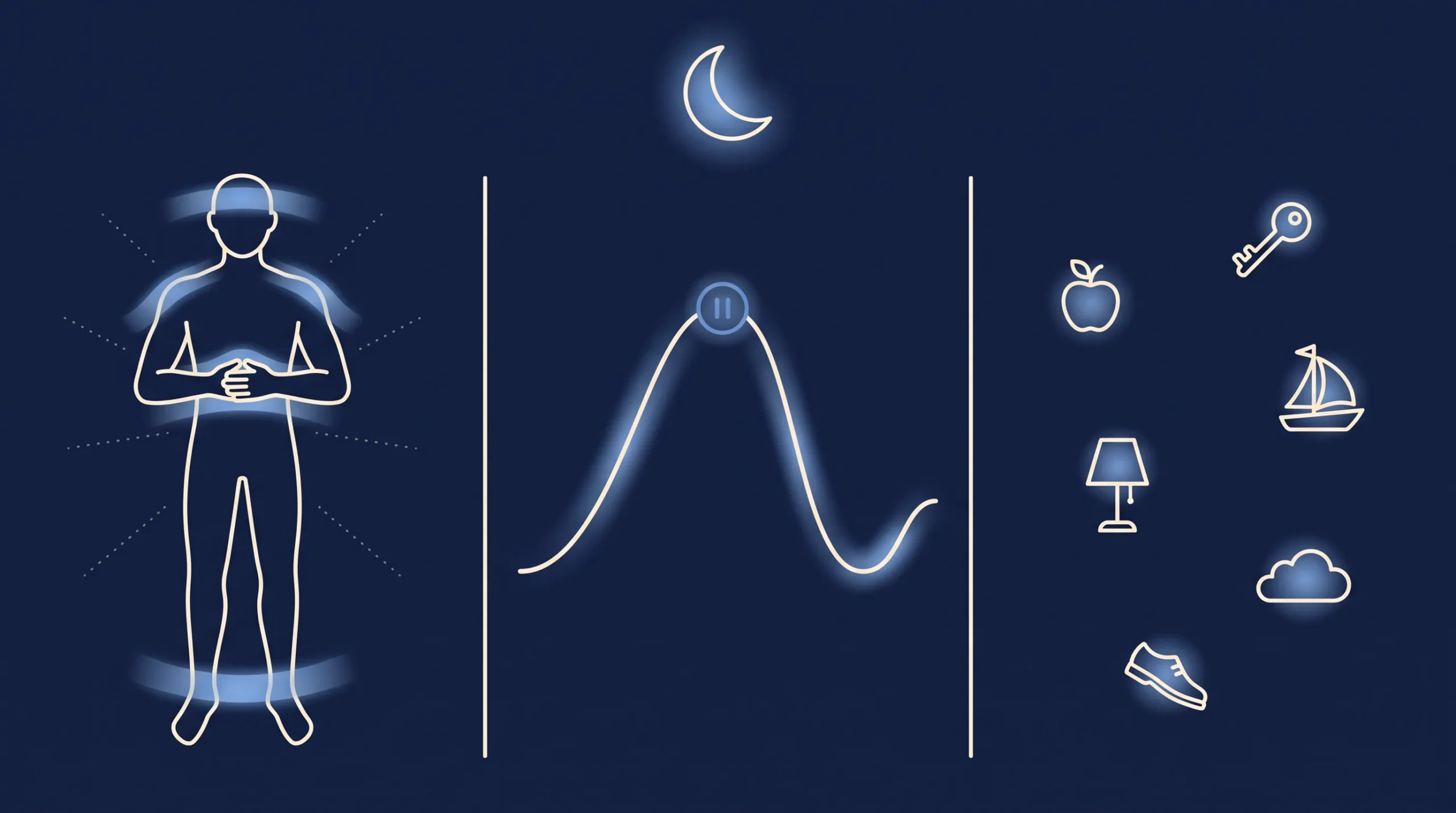
Much of the shift traces back to the body clock. With age the body tends to produce less melatonin, the hormone that helps time the sleep-wake cycle, and that internal clock often runs earlier — which is why many older adults feel sleepy in the evening and wake before dawn. Deep, slow-wave sleep also makes up a smaller share of the night, so rest is lighter and more easily broken. These are normal changes, not a disease. The everyday things that disturb anyone’s sleep — evening light, a warm or noisy room, late caffeine, worry — simply tend to bite harder with age.
What actually helps
The habits that protect sleep at any age matter more with time: keep a steady sleep-and-wake schedule, get bright daylight early and dim light in the evening, keep the bedroom cool, dark and quiet, and keep naps short and early. Comfort and support count too. As the neck and shoulders lose a little of their natural cushioning, a pillow that once felt fine can let the head sink and pull the neck out of line; a pillow that holds its loft keeps the head level and cuts down on the small wake-ups that fragment an older night’s sleep.
When to talk to a doctor
Lighter, earlier sleep is normal with age; sleep that leaves you exhausted is not. Loud snoring with pauses in breathing, an irresistible urge to move the legs at night, or daytime sleepiness that interferes with daily life are worth raising with a doctor, who can look for conditions such as sleep apnoea or restless legs syndrome. This page is general information, not medical advice — any new medication or therapy is a conversation for your own doctor.