Better sleep is the kind of rest that is long enough, deep enough, and regular enough to leave you genuinely restored. For most adults that means around seven to nine hours on a consistent schedule, in a cool, dark, quiet room, on a pillow and mattress that keep your head and spine in line.
Better sleep is rarely one fix — it is understanding how sleep works, spotting what is throwing yours off, and adjusting the few things that actually move the needle: routine, light, and the surface you sleep on. This guide pulls our sleep library together in one place and points you to the right detail page for your situation. It is comfort and lifestyle guidance, not medical advice — anything that looks like a disorder belongs with a doctor.
What actually happens when you sleep?
Sleep runs in repeating ~90-minute cycles through light, deep, and REM stages, and you need enough of each — not just enough hours — to wake up restored. If you only fix one thing, protect the full cycle. Go deeper on the mechanics:
- What are the stages of sleep, and why do they matter?
- What is REM sleep and why is it important?
- What are circadian rhythms and how do they influence sleep?
- Why do we dream, and what do dreams mean?
4 Foundations of Better Sleep
- A consistent schedule — going to bed and waking at the same times, even on weekends, so your body clock stays steady.
- A sleep-friendly room — cool, dark, and quiet, with a comfortable mattress and the right pillow for how you sleep.
- A wind-down routine — 30–60 minutes of low light and calm activity to signal your body it is time to rest.
- Helpful daytime habits — daylight and movement early, easing off caffeine, heavy meals, and screens late in the day.
Why am I not sleeping well?
Most poor sleep traces back to a handful of causes — irregular rhythm, screen light late at night, stress, age-related changes, or an unsupportive sleep setup — and naming yours is the first fix. Find the likely cause:
- What causes insomnia? · Why do I feel tired even after a full night’s sleep?
- How does blue light from devices affect sleep? · How does aging affect sleep patterns?
- How does sleep deprivation affect health? · Can lack of sleep lead to weight gain? · The link between sleep and mental health
What are the common sleep problems?
Snoring, sleep apnea, sleepwalking, and chronic insomnia are the problems people search for most — some are comfort-and-positioning issues, others are medical, and the guides below help you tell which is which. When in doubt, see a doctor:
- Why do I snore, and how can I stop it? · What is sleep apnea and what are its symptoms?
- Why do I sleepwalk — and is it dangerous? · Effective ways to treat sleep disorders · Is it harmful to take sleeping pills regularly?
How do you actually improve your sleep?
The reliable levers are a consistent schedule, less light and stimulation before bed, sensible diet and exercise timing, and a sleep surface that supports your neck and spine in your position — small, durable changes beat one-off hacks. Start here:
- Tips for getting better sleep · Natural remedies for insomnia · How diet and exercise impact sleep quality
Which pillow is right for your sleep?

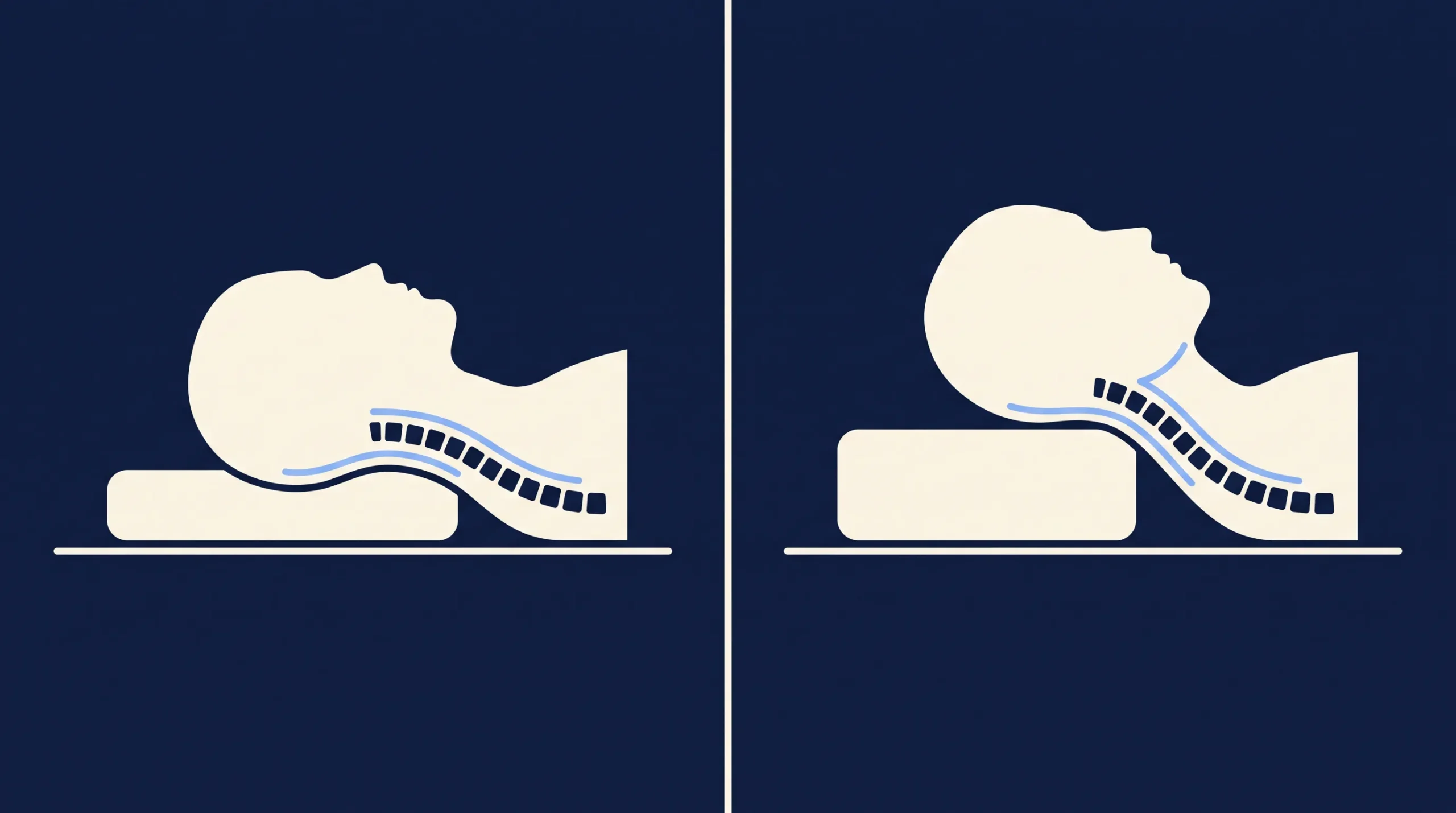
The pillow is the cheapest high-impact change most people overlook: the right one keeps your neck aligned for your sleep position and holds that support all night instead of going flat. What we use and recommend:
- Neck pain / alignment — an adjustable memory-foam contour pillow lets you tune loft to your shoulder width. Neck-pain pillow guide.
- Firm support — the Firmnest Extra Firm pillow for people whose head sinks too far on soft pillows. Firm pillow guide.
- Side sleepers & lumbar — an Aeris lumbar pillow supports posture through the night. Lumbar pillow guide. Side-sleeper pillow guide. Travel pillow guide.
- Sleeping on an incline (reflux, congestion, recovery) — a wedge: see our dedicated wedge pillow guide.
- After shoulder surgery — the shoulder surgery recovery setup covers slings, angles, and cradles.
Frequently asked questions
How can I get better sleep naturally? Keep a consistent schedule, cut screen light an hour before bed, time food and exercise sensibly, and sleep on a pillow that supports your neck in your position. See our tips and natural-remedy guides for the detail.
What is the most overlooked sleep fix? The pillow. The right loft and firmness for your sleep position keeps your neck aligned and is far cheaper than a new mattress.
Is snoring the same as sleep apnea? No. Snoring is common and often a comfort/positioning issue; sleep apnea (loud snoring with gasping or daytime sleepiness) is medical — see a doctor.
How many hours of sleep do I actually need? Most adults do best on 7–9 hours, but quality across full sleep cycles matters as much as the total. Waking unrefreshed after enough hours points to disrupted cycles.
When should I see a doctor about my sleep? Persistent insomnia, suspected apnea, or sleep that does not improve with routine and setup changes warrant a doctor. This guide is comfort advice, not a diagnosis.